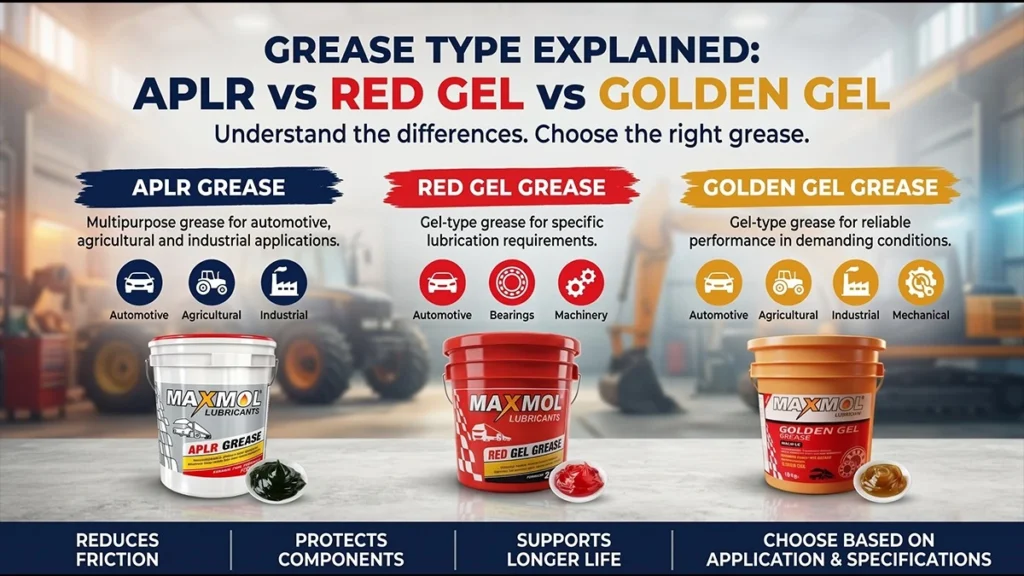

Grease Suppliers in India: A Beginner’s Guide to Choosing the Right Grease
Grease Suppliers in India: A Beginner’s Guide to Choosing the Right Grease Finding reliable grease suppliers in India is important for automotive workshops, industrial businesses, machinery operators, dealers, and lubricant distributors. The right grease helps reduce friction, protect compatible components from wear, and support smooth equipment operation when selected and used according to the manufacturer’s recommendations. However, not every grease is suitable for every application. Products such as black grease, calcium grease, chassis grease, and industrial grease have different characteristics and uses. Understanding these differences can help buyers select suitable products and identify dependable suppliers. In this beginner’s guide, we explain the types of grease available, how to choose a grease supplier, what to check before purchasing, and how businesses can compare products for their requirements. What Is Lubricating Grease? Lubricating grease is a semisolid lubricant generally made from a base oil, a thickener, and performance additives. It is designed to remain in place and provide lubrication where a conventional liquid lubricant may not be suitable. Depending on its formulation, grease can help reduce friction, protect against wear, resist water, and protect metal surfaces from corrosion. Grease is commonly used in automotive components, industrial machinery, bearings, chassis lubrication points, and various mechanical systems. When purchasing grease, buyers should check the product specifications, consistency grade, operating temperature range, and recommended applications rather than choosing a product based only on its colour or price. What Types of Grease Are Available in India? Grease manufacturers and suppliers in India offer different formulations for automotive, industrial, and general maintenance applications. The correct choice depends on equipment requirements and operating conditions. 1. What Is Black Grease Used For? Black grease is a general colour-based description for grease that appears black or dark grey. Some formulations use solid lubricants or other ingredients that give the product its dark colour. Depending on its formulation, black grease may be intended for specific automotive, heavy-duty, or industrial applications. However, black colour alone does not confirm that a grease is suitable for heavy loads, chassis lubrication, or any particular component. Before purchasing black grease, check the manufacturer’s product data sheet and confirm that it meets the application’s requirements. 2. What Is Calcium Grease and Where Is It Used? Calcium grease is a type of grease that uses a calcium-based thickener. Depending on its formulation, it may provide useful water resistance and lubrication for certain automotive and general-purpose applications. Traditional calcium greases can have temperature limitations, so they should not automatically be used in high-temperature applications. Some specialised calcium-based formulations have different performance characteristics. Before choosing calcium grease, check its operating temperature range, water resistance, consistency, and intended use. 3. What Is Chassis Grease? Chassis grease is designed for specified vehicle chassis lubrication points and compatible components. It may be used in applications such as certain joints and fittings that require grease lubrication. Automotive workshops and maintenance professionals should confirm the recommended grease type for the vehicle and component. Not every chassis grease is suitable for wheel bearings, sealed components, or every type of vehicle. If you are buying chassis grease in bulk, ask the supplier for product specifications and recommended applications. 4. Which Grease Is Suitable for Bikes? Grease for bikes depends on the component that requires lubrication. Different motorcycle parts have different lubrication needs, and using the wrong product may affect component performance. For example, certain compatible grease products may be specified for selected bearings, pivot points, or other serviceable components. Motorcycle chains generally require a suitable chain lubricant, while sealed bearings may not require additional grease. Always follow the motorcycle manufacturer’s service manual. Avoid applying ordinary grease to brake discs, brake pads, tyres, or other surfaces where contamination could compromise safety. “Businesses looking for engine oil for bikes should also compare the manufacturer’s recommendations for their motorcycle.” 5. What Is Industrial Grease Used For? Industrial grease is used to lubricate compatible machinery and mechanical components in manufacturing plants, workshops, warehouses, and other industrial environments. Depending on the product, applications may include bearings, electric motors, conveyor equipment, and other machinery requiring grease lubrication. Industrial grease products can differ in load-carrying capacity, water resistance, temperature performance, and mechanical stability. Industrial buyers should match the product to the equipment’s operating conditions and lubrication specifications. 6. What Is Yellow Grease Used For? Yellow grease is a colour-based description for grease with a yellow or yellowish appearance. The colour may result from its base materials, thickener, additives, or formulation. Yellow grease does not represent one universal grease type. Its applications depend on the specific product and manufacturer recommendations. When sourcing yellow grease, check the product label, technical data sheet, consistency grade, and intended application. Do not assume that two products with similar colours have the same properties. How Do You Choose Reliable Grease Suppliers in India? Selecting a suitable supplier involves evaluating product quality, availability, technical information, pricing, and delivery arrangements. Check Product Specifications Ask for the technical data sheet (TDS) and safety data sheet (SDS), where applicable. Review the grease type, consistency grade, temperature limits, and recommended applications. For industrial or specialised requirements, verify that the product meets the specifications stated by the equipment manufacturer. “Review relevant lubricant product specifications and manufacturer recommendations before selecting a grease.” Compare Prices and Packaging Grease is available in different packaging sizes depending on the product and supplier. Compare the price per kilogram, packaging type, minimum order quantity, taxes, and transportation costs. The cheapest product may not be the best value if it does not meet your equipment’s lubrication requirements. Verify Supply Capacity Businesses that purchase grease regularly should confirm stock availability, delivery coverage, dispatch schedules, and repeat-order arrangements. This is particularly important for workshops, industrial maintenance teams, fleet operators, and wholesale buyers. Evaluate Technical Support A reliable supplier should provide accurate product information and help buyers understand the manufacturer’s stated applications and specifications. For specialised machinery, seek advice from the lubricant manufacturer or a qualified lubrication professional. Check Business Documentation Before placing a bulk order, verify the supplier’s business details, invoices, product documentation, payment
Grease Suppliers in India: A Beginner’s Guide to Choosing the Right Grease Read More »